App & Software Design (UX/UI)
Intuitive User Experiences. Pixel-Perfect Brand Aesthetics
Beautiful software is useless if people can’t figure out how to use it. Enter UX and UI design.
App & Software Design (UX/UI)
Intuitive User Experiences. Pixel-Perfect Brand Aesthetics
Beautiful software is useless if people can’t figure out how to use it. Enter UX and UI design.Let's connect
App Development
Want a stylish and seamless experience for your users?
Let's work together to optimise your design for success...
UX Research & Wireframing (The Logic)
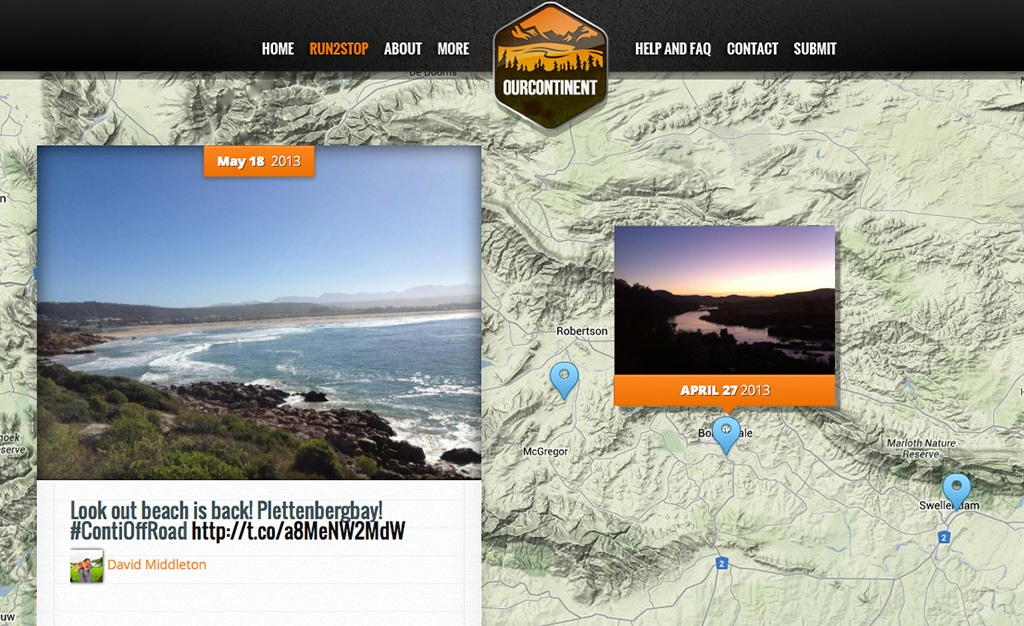
Form follows function. Our User Experience (UX) design process focuses on removing friction. We map out complex user journeys, define information architecture and create low-fidelity wireframes. This ensures your application is highly intuitive, logically structured and easy for users to navigate without a manual.
UI Design & Brand Integration (The Visuals)
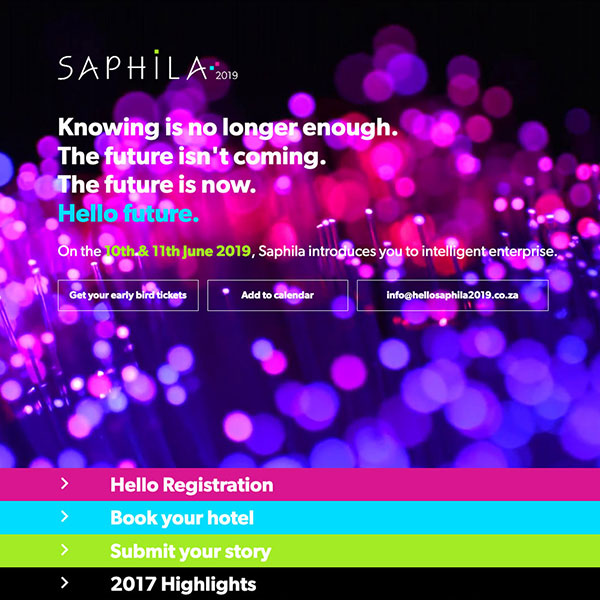
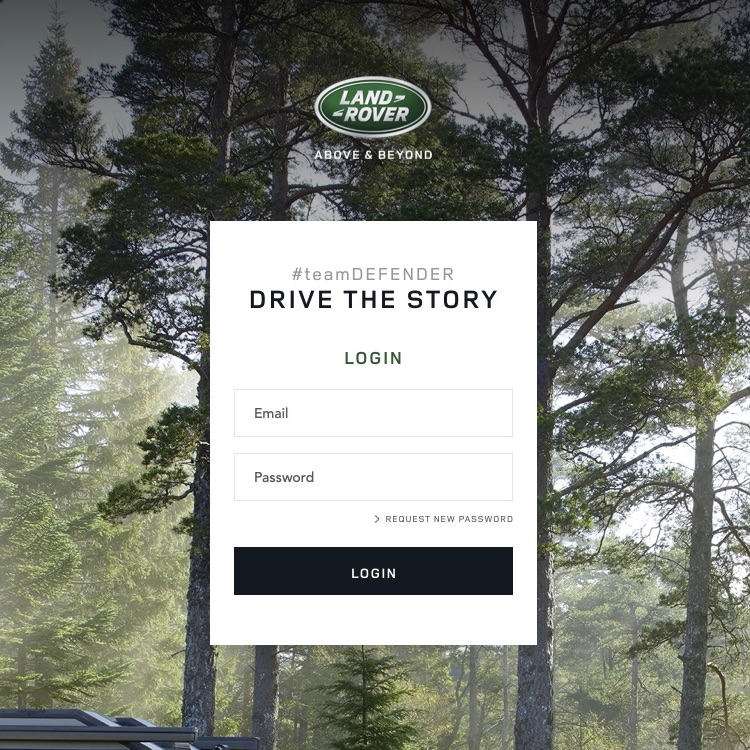
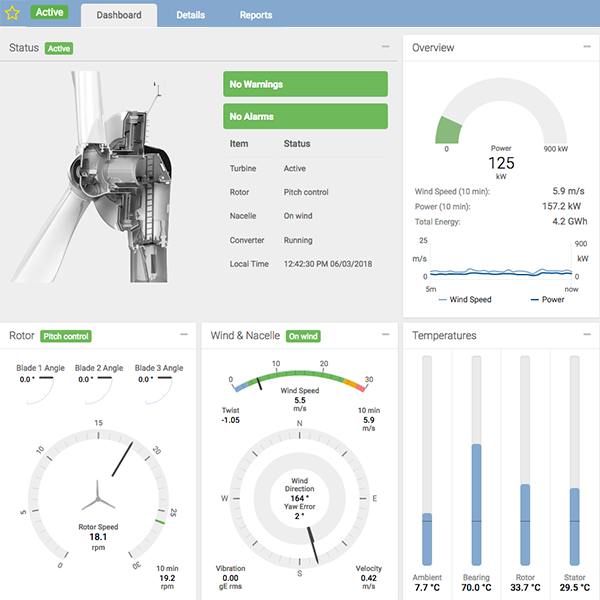
We translate your corporate brand identity into a cohesive digital experience. Our User Interface (UI) designers apply your brand's color palettes, typography and visual ethos to every button, menu and dashboard. We don't just make it look modern, we ensure the software feels like a seamless extension of your company's overarching brand identity.
Interactive Prototyping
Experience your software before we write a single line of code. We deliver high-fidelity, clickable prototypes that simulate the final product. This allows your team to click through screens, test user flows, and provide visual feedback, ensuring total alignment before handing the project over to the engineering team.
App & Software Design Q&A
Q: What is the difference between UI and UX design?
A: User Experience (UX) focuses on how the application works, while User Interface (UI) focuses on how it looks. UX design involves mapping out the logical flow, user journeys, and wireframes to ensure the app is intuitive. UI design applies the visual layer—colors, typography, and branded interactive elements—to create a polished, engaging experience.
Q: Do you redesign existing applications, or only build from scratch?
A: Yes, we completely redesign and optimize existing web and mobile applications. If your current software suffers from low user adoption, high drop-off rates or outdated aesthetics, we conduct a rigorous UX audit to identify friction points and redesign the interface to massively improve usability and visual appeal.
Q: How much does UX/UI design typically cost?
A: The cost of UX/UI design depends entirely on the complexity, the number of unique user roles, and the total screens required for your application. Generally, the design phase represents about 15% to 20% of the total software build cost—serving as a vital investment that guarantees user adoption and prevents expensive engineering reworks later.

People also ask...
How do you incorporate our existing brand guidelines into a complex software interface?
We integrate your brand guidelines by translating your traditional brand assets into a comprehensive digital "Design System." This means we adapt your brand's specific typography, color contrast ratios, and visual tone to suit digital accessibility standards, ensuring your software interface looks distinctively yours while remaining highly readable and user-friendly.
Can we test the software design with real users before development begins?
Absolutely. We provide interactive, clickable prototypes specifically so you can conduct user testing before development. By observing how real users interact with the prototype, we can identify points of confusion and refine the UX/UI instantly, saving you from paying developers to fix usability issues later.
If you design our product, are we obligated to use your developers to build it?
No, you are not obligated to use our engineering team. While we offer full-stack development to ensure our designs are executed perfectly, all Figma design files, design systems and interactive prototypes are 100% owned by your company upon completion of payment and can be easily handed off to any internal or external development team.
Want an expert design partner to help bring your concept to life?
Does your current software frustrate users, or do you need to bring a new concept to life visually?