Web design agency in South Africa hero banner imageSouth Africa web design hero image with city lights and mountain view
Software Development Services in South Africa
Good software removes friction. It makes processes faster, decisions clearer, and operations easier to run.
The goal is not complexity. The goal is a system that feels simple for users and dependable for the business.
Software Development Services in South Africa
Good software removes friction. It makes processes faster, decisions clearer, and operations easier to run.
The goal is a system that feels simple for users and dependable for the business.
Let's connect
Web Development
BRAVE Digital delivers software development for South African businesses.
If you’re searching for software development services, you’re usually trying to solve a business problem that’s become hard to manage.
Maybe your team is stuck in spreadsheets, manual handovers, and duplicated work. Maybe systems don’t talk to each other. Maybe reporting takes too long and decisions are made with partial data. BRAVE Digital delivers software development services for South African businesses that need reliable systems, clear workflows, and software that actually fits the way you work.
Software development services built around real business outcomes
Reduce manual work and repeated admin
Many businesses lose time to tasks that should be automated, like approvals, data capture, follow-ups, reconciliation and reporting. Custom software development can replace manual steps with clear workflows, reducing errors and freeing up your team for higher-value work.
Get better visibility through dashboards and reporting
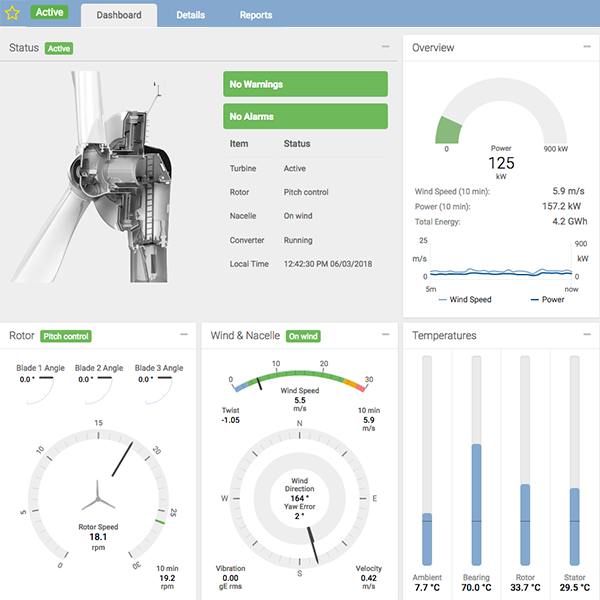
If your reporting lives in separate systems, or if it takes days to pull data together, decision-making slows down. Dashboard development and reporting dashboards bring key information into one place, so you can track what matters in near real time and act faster.
Connect systems through integrations
When your tools and platforms are disconnected, staff tend to end up copy-pasting data, re-entering information, and having to work around problems. System integration and API integration help connect your systems so data flows properly and work moves without friction.
Web design agency in South Africa hero banner image
What our software development services include
Custom software development
Custom software development is ideal when off-the-shelf tools don’t match your workflows, or when your business has outgrown the limits of generic platforms. We build software that reflects how your team actually works, with clear user journeys and features that support your priorities.
Custom builds can include internal tools, customer portals, workflow systems, operational dashboards, and specialist applications that need a tailored approach. The aim is a product that is easy to use, scalable and practical to maintain.
Web application development
Web application development is often the simplest path to a tool your team can access anywhere. A web app can centralise processes, standardise data, and reduce reliance on spreadsheets and email chains. We build web applications with usability in mind, so teams adopt them without constant support.
Web apps are a strong fit for internal operations tools, customer-facing portals, reporting interfaces, and systems where multiple roles need access with permissions and controlled workflows.
Internal tools for teams and operations
Internal tools are often the fastest way to improve efficiency. They can replace manual processes like job tracking, quotes, approvals, scheduling, inventory management, and reporting. When internal tools are designed well, they remove bottlenecks and reduce the stress of keeping everything moving.
We build internal tools that fit your terminology, your approvals logic, and your real operating rhythm. That improves adoption, reduces mistakes, and helps teams trust the system.
Business automation and workflow automation
Business automation is about removing repetitive tasks and creating a workflow that’s consistent. Workflow automation can include triggers, status changes, notifications, automatic data validation, approvals routing and task assignment.
Automation works best when it’s designed around the end-to-end process, not just one small step. We map the workflow, identify friction points, then build a system that makes the process predictable and easier to manage.
System integration and API integration
Most businesses already have systems in place. The challenge is that those systems often don’t connect cleanly. API integration can link platforms so data flows automatically, reducing rework and improving accuracy.
Integration work might include syncing customer records, pushing sales data into operations systems, pulling product or stock information, connecting forms to internal workflows, or making reporting more reliable. We focus on integrations that remove manual work and improve visibility.
Legacy integration and modernisation support
Legacy integration is common when a business has older systems that still matter. Replacing them immediately is not always realistic. A practical approach is often to integrate or modernise in phases, so you can keep operations stable while improving the experience.
We help plan phased improvements, so you can reduce risk and avoid disrupting critical processes.
Dashboard development and reporting dashboards
Dashboards should not merely be decorative. They should help you make decisions. Reporting dashboards bring together data that’s currently spread across tools, making it easier to track performance, spot issues, and plan next steps.
We build dashboards that reflect the decisions you need to make. The best dashboards prioritise clarity, focus on actionable metrics, and avoid clutter.
Software development company support you can rely on
Hiring a software development service is also about trust. You need a software development company that can communicate clearly, keep delivery predictable, and build systems that don’t create a new set of problems after launch.
BRAVE’s approach is plain-language and structured. We focus on defining what matters, mapping workflows, then delivering in clear stages so you can see progress and make decisions early. The goal is fewer surprises, less rework and software that your team actually uses.
If you’ve had software projects stall in endless scope changes, unclear ownership, or over-complicated builds, you’ll appreciate a process that stays practical and grounded.
Web design agency in South Africa hero banner image
Typical software projects we build
Customer portals and self-service tools
Customer portals can reduce support load, improve transparency, and create a better experience. They often include account access, order tracking, document management and messaging.
Operations and workflow systems
These systems manage the work behind the scenes, such as approvals, job tracking, scheduling and handovers. The value comes from consistent process and better visibility.
Dashboards and analytics interfaces
Dashboards can turn messy data into a clear view of performance. This includes reporting for leadership, operations, sales, or finance, depending on what decisions the business needs to make.
Integrations that remove manual work
Some of the highest ROI software work is integration. When systems talk to each other, you reduce admin time, errors and delays.
How we deliver software development services
Step 1: Discovery and requirements in plain language
We start by clarifying the problem, the users, and the outcomes. We map the workflow and identify what the system must do, using language that stakeholders can understand. This is also where we define what success looks like, so the project stays focused.
Step 2: Scope and planning that protects timeline and budget
Most software projects go wrong when the scope is unclear. We define the scope in terms of deliverables, then plan the steps to enable each deliverable into stages of work. This protects delivery, keeps priorities clear, and makes it easier to adjust without chaos.
Step 3: Build, test, and refine
We build in stages, test as we go and then refine based on feedback. The goal is steady progress and early visibility so that everything is out in the open, not a big reveal at the end.
Step 4: Launch and handover
We prepare for launch with practical testing and documentation, then ensure your team can use the system confidently. A good handover means adoption is smoother and support needs are lower.
Step 5: Ongoing improvement
Software should improve over time. Once the system is live, you can refine workflows, improve reporting, and add features based on real usage, without rewriting everything from scratch.
Web design agency in South Africa hero banner image
Proof and trust signals
Ongoing website support for stability
Many businesses need ongoing website support, whether it’s minor updates, performance improvements, or new landing pages. We can support you post-launch so your site stays current, secure and aligned to your marketing and sales activity.
Maintenance that protects performance
Maintenance is what stops a site from quietly getting slower, messier and less reliable over time. Regular updates, content hygiene and performance checks keep the website doing its job.
A website that’s easy to extend
A strong build makes future work easier. When your components are consistent and your CMS structure is clear, new pages can be added quickly without rebuilding everything from scratch. That saves time and protects quality.
Web design agency in South Africa hero banner image
Software Development Services FAQ
What kinds of businesses use software development services?
Software development services are used by businesses that have grown beyond manual processes or disconnected tools. This includes companies with complex operations, teams that rely on spreadsheets for critical workflows, or organisations that need systems to integrate so data stays accurate. These services can also help when a business needs a custom portal, internal tools, or dashboards to improve visibility. The best time to invest is when the cost of inefficiency is becoming obvious in time, errors, or missed opportunities.
What’s the difference between custom software development and buying a tool?
Buying a tool can work when your needs match exactly what the tool was designed for. Custom software development is more suitable when your workflows are unique, your data lives in multiple places, or the tool forces workarounds that waste time rather than saving it. Custom software can also reduce risk by fitting to your processes instead of forcing your processes to fit the software. A good approach is often to use off-the-shelf tools where they make sense, then build custom systems where they create a clear advantage
How do you handle system integration and API integration?
System integration and API integration start with understanding what data needs to move and when. We map the current flow, identify what should be automated, and define the rules that keep data consistent. Then we implement integrations in a controlled way, test thoroughly, and monitor performance after launch. Integration work is often high-impact because it reduces manual input, improves accuracy, and makes reporting more reliable across the business.
Can you help if we have legacy systems that we can’t replace yet?
Yes. Many businesses have legacy systems that still run critical processes. Legacy integration can allow you to keep those systems while improving the experience around them. In some cases, modernisation is best done in phases, where you integrate first, then replace or rebuild components over time. This approach reduces risk and avoids disrupting operations while still moving the business forward.
What does a typical software project timeline look like?
Timelines vary based on scope, complexity, integrations, and how quickly decisions are made. Smaller internal tools or dashboards can be delivered faster when requirements are clear and feedback is consistent. Larger systems or complex integrations usually take longer because there are more user roles, workflows, and edge cases to handle. The biggest timeline risks are unclear scope and late stakeholder input. A staged delivery plan helps keep progress visible and keeps the project moving.
Do you offer support after the software is launched?
Yes. Ongoing support helps keep software stable and useful as the business evolves. This might include bug fixes, performance improvements, feature enhancements, workflow updates, and reporting changes. Support is also valuable because it reduces risk. When issues are handled early, the system stays reliable and adoption stays strong. Many teams also use post-launch support to improve the product based on real user behaviour and operational feedback.
Software Development Services in South Africa: next step
If you need software development services that reduce manual work, improve visibility, and connect your systems properly, BRAVE can help you plan and build software that fits your business. Share what you’re trying to improve, which tools you currently use, and where the friction is, and we’ll recommend a practical approach and a staged plan for delivery.
Web design agency in South Africa hero banner image
Want a website that drives results?
We design mobile-first websites that combine clarity, usability, and strong visual design to help your business build trust, attract the right audience, and turn visits into action.